Human Rights

Advancing the Human Right to Equality: Global Lessons

Advancing the Human Right to Equality is not only a moral imperative but a practical, strategic pursuit that shapes laws, institutions, and everyday experiences, touching everything from school curricula to city planning and labor markets.Across regions and cultures, global movements for equality offer a storehouse of lessons that can inform today’s advocates, policymakers, educators, and citizens about what mobilization looks like in practice, how to organize across borders, and how to translate ideals into concrete programs.

Advancing the Human Right to Equality: Global Lessons Read More »

Labor rights as human rights across supply chains worldwide

Labor rights as human rights are the backbone of fair, prosperous, and sustainable economies, setting a standard that workplaces must be safe, dignified, and free from exploitation while anchoring value creation in the health, security, and long-term well-being of every worker around the world, from factory floors to distant logistics hubs and rural cooperative farms.When workers are treated with dignity, protected from harm, paid fairly, and given avenues to voice concerns through independent grievance channels, labor rights in supply chains emerge as a practical driver of resilience, productivity, and trust across suppliers, manufacturers, and brands, shaping corporate reputation, consumer trust, and investor confidence in complex, global networks.

Labor rights as human rights across supply chains worldwide Read More »

Human Right 101: Core Principles Everyone Should Understand

Human Right 101 is a practical gateway to understanding universal human rights and how they shape the everyday life of rights, offering clear definitions, real-world examples, and a friendly roadmap for readers new to this field.This guide translates lofty ideals into concrete concepts that students, educators, policymakers, lawyers, and citizens can apply in daily decisions, from classroom rules to workplace policies, while also highlighting how civil rights education empowers communities to recognize, defend, and advance their own liberties, build inclusive cultures, and hold leaders accountable through informed dialogue, transparent reporting, and sustained advocacy, and these ideas are designed to be accessible to people with diverse backgrounds, levels of schooling, and lived experiences, inviting broad participation in the work of rights protection.

Human Right 101: Core Principles Everyone Should Understand Read More »

Right to Education: Why Every Child Deserves Learning Access

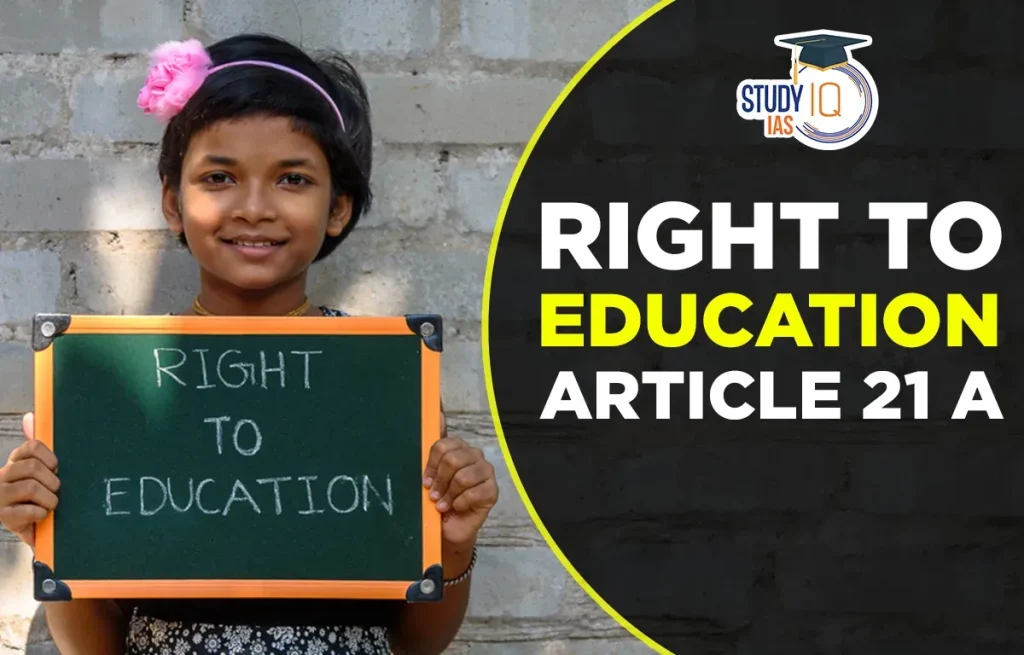
The right to education is more than a promise on a page of law; it is the foundation for human development, dignity, and opportunity that shapes health, livelihoods, and civic life across generations in every region and culture.When a child is allowed to learn, they gain the tools to shape their life and contribute to their family, community, and country, unlocking possibilities in work, health, and democratic participation, reinforcing education for all as a societal priority.

Right to Education: Why Every Child Deserves Learning Access Read More »

Protecting Human Rights in Global Supply Chains: Your Guide

Protecting Human Rights in Global Supply Chains is essential for ethical business and trusted brands, shaping not only how products are made and sourced but also how value is created across sprawling supplier networks, how risk is identified and mitigated in diverse geographies, and how consumer confidence is earned through transparent practices that withstand scrutiny from regulators, investors, journalists, and civil society organizations worldwide.When consumers consider where their garments, electronics, and food originate, the hidden realities of labor rights in manufacturing behind raw materials, factories, and logistics reveal why robust human rights due diligence, proactive supplier engagement, and responsible procurement matter for daily life, community well-being, and the long-term legitimacy of global markets.

Protecting Human Rights in Global Supply Chains: Your Guide Read More »

Human rights violations: Recognizing signs and responding

Human rights violations are not abstract concepts; they are tangible harms that erode daily life, dignity, and the safety and freedom of people across communities, shaping whether someone can walk to work, attend school, access healthcare, or simply trust the institutions that should protect them, uphold their rights, and ensure basic security in their neighborhoods.By recognizing signs of human rights violations, communities can detect early patterns that threaten security, dignity, and well-being; this proactive awareness enables families to seek shelter, students to advocate for protection, teachers to address risks in classrooms, and civil society groups to document concerns before they escalate into larger, harder-to-resolve crises.

Human rights violations: Recognizing signs and responding Read More »

dtf transfers

| turkish bath |

© 2026 News Femme